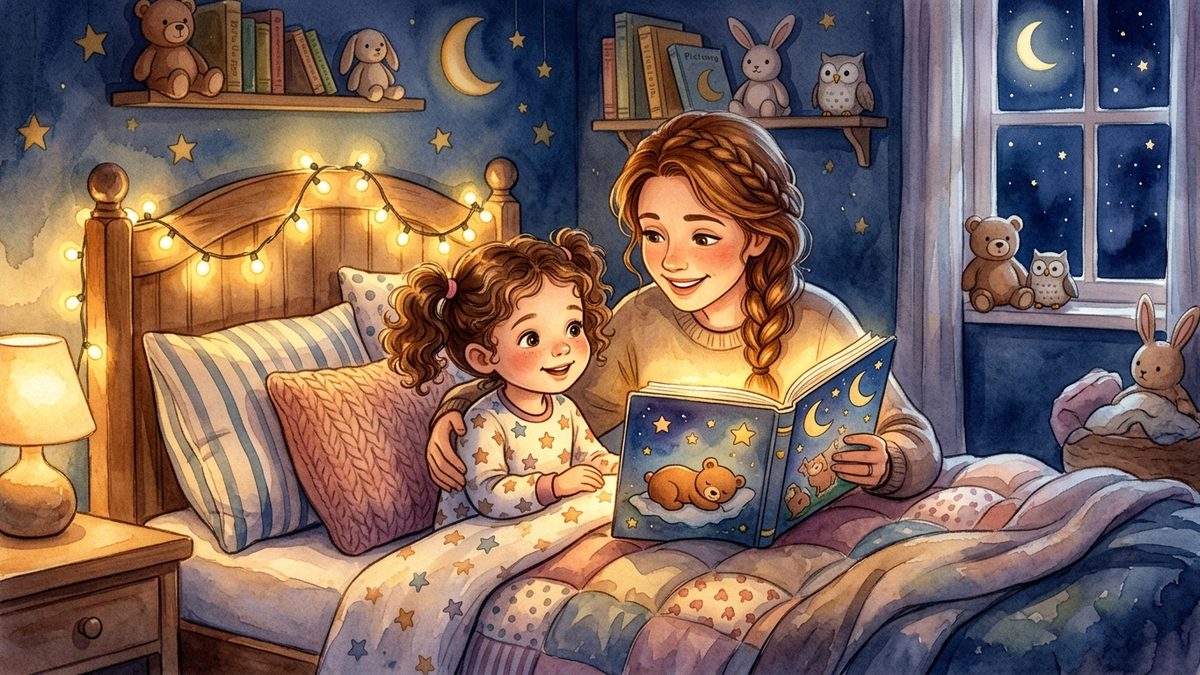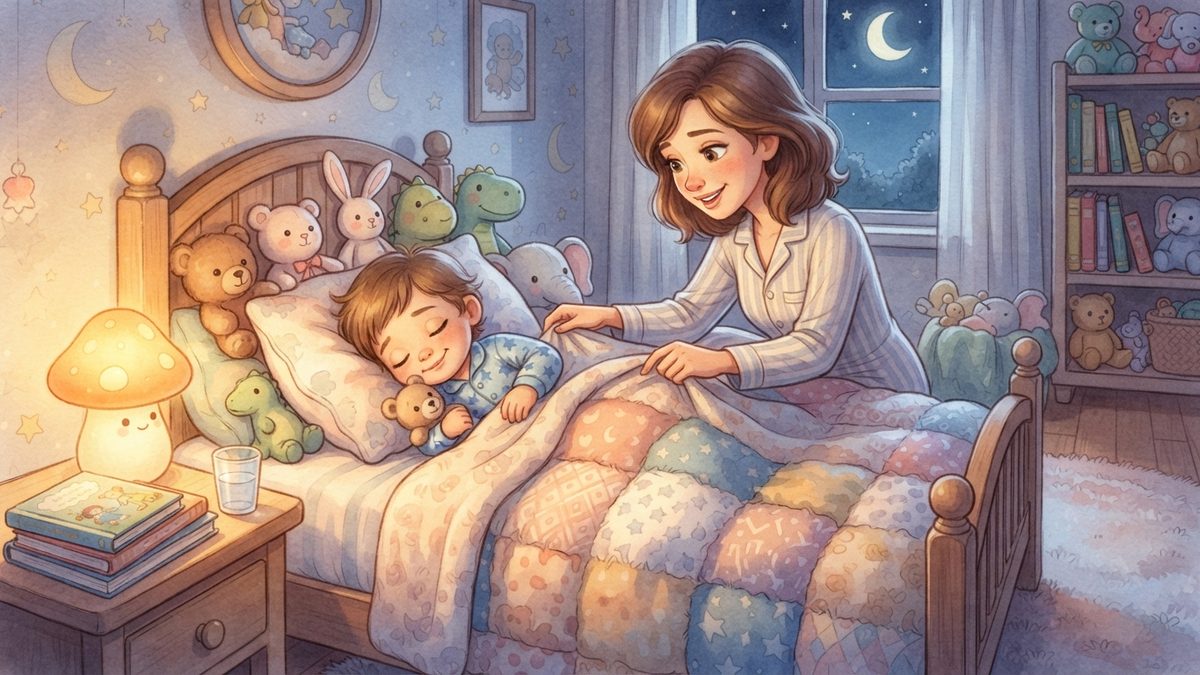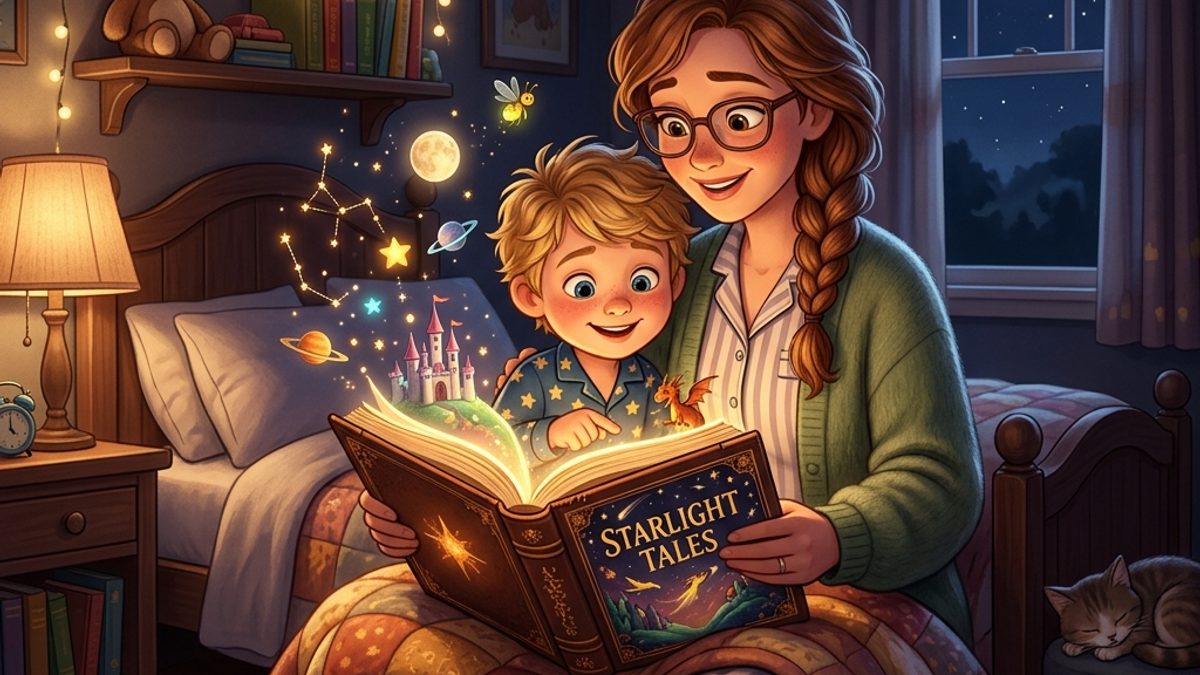
The magic of bedtime stories extends far beyond merely lulling an energetic toddler to sleep. For decades, developmental neuroscientists, pediatricians, and clinical psychologists have recognized nightly reading as one of the most transformative rituals a parent can establish.
In today's fast-paced, high-stimulation world, the simple act of opening a picture book at twilight creates a profound neurological sanctuary. It slows down breathing rates, activates parasympathetic relaxation pathways, and builds the foundational architecture of the developing mind.
Here is what peer-reviewed research reveals about the 5 profound benefits of bedtime reading, along with actionable clinical strategies to make the habit effortless tonight.
"When we read with our children, we are doing more than teaching literacy; we are co-regulating their nervous system. Storytelling bridges the logical left hemisphere with the emotional right hemisphere, anchoring emotional resilience from the inside out."
— Dr. Daniel Siegel & Dr. Tina Payne Bryson, Authors of The Whole-Brain Child
Additional words heard by kindergarten when read to daily vs. never read to
The "Million Word Gap" identified by Ohio State University literacy researchers
1. Accelerated Language Acquisition & The "Million Word Gap" #
When you converse with a four-year-old during the day, vocabulary is often functional: "Eat your peas," "Put on your shoes," or "Wash your hands." Books introduce rich, descriptive language—words like perched, lumbered, shimmered, and peculiar—that rarely occur in standard kitchen dialogue.
In landmark research from Ohio State University, researchers calculated the cumulative vocabulary deficit children experience when not read to regularly:
Children entering kindergarten with a 1.4-million-word advantage read faster, comprehend nuance more readily, and experience significantly less academic frustration in early elementary school.
2. Emotional Co-Regulation and Empathy Formation #
Bedtime reading provides a safe psychological sandbox where children can explore big, difficult emotions without feeling judged. When characters encounter fear, separation, frustration, or triumph, toddlers mirror those feelings and learn to label them.
Stories like Kavi's Calm Current demonstrate concrete self-soothing behaviors, showing children how to take deep belly breaths when frustration mounts.
Clinical psychologists emphasize that emotional regulation is not taught through lecture; it is absorbed through the shared emotional experience of narrative.
3. Cognitive Down-Regulation: Shifting Out of "Fight-or-Flight" #
Evening meltdowns often stem from a hyper-aroused sympathetic nervous system. Bright screens, active play, and the fatigue of a long day flood the child's bloodstream with cortisol.
The steady, melodic cadence of a parent's voice acts as an acoustic vagus nerve stimulator. Heart rates decelerate, cortisol levels drop, and the brain naturally transitions from alert beta waves into receptive alpha and theta waves, paving the way for deep REM sleep.
4. The Sturdy Warmth Approach to Bedtime Reading #
Many parents turn reading into a nightly tug-of-war. Permissive parents allow the child to bargain for six extra books, while authoritarian parents threaten to cancel stories when the child fidgets.
The solution is sturdy warmth—unshakable boundaries delivered with unconditional love:
| Parenting Style | Approach to Reading Limit | Outcome |
|---|---|---|
| Permissive (Soft) | Yields to tears; reads until 9:45 PM | Exhausted parent, dysregulated child |
| Authoritarian (Hard) | Snaps the book shut and leaves room in anger | Increased child cortisol, delayed sleep onset |
| Sturdy Warmth (Balanced) | Holds the 2-story boundary with calm empathy | Secure, settled child; peaceful evening |
"Being sturdy doesn't mean being unyielding or cold. It means you are strong enough to carry the boundary so your child doesn't have to carry the weight of adult decisions."
— Dr. Becky Kennedy, Clinical Psychologist and Author of Good Inside
5. The Parent-Child Attunement Anchor #
Throughout a busy day, parents are frequently multitasking—checking emails, preparing dinner, managing logistics. Bedtime reading is often the only fifteen-minute window of undivided, eye-to-eye, shoulder-to-shoulder emotional attunement.
That physical proximity releases oxytocin in both the parent and child, strengthening the secure attachment bond that serves as a protective psychological shield well into adolescence.
The Closed-Ended Nightly Blueprint: 4 Steps for Tonight #
To make bedtime reading a restorative ritual rather than a power struggle, implement this exact 4-step sequence tonight at 7:45 PM:
Step 1: The Two-Book Selection (7:45 PM) #
Before stepping into the bedroom, pull out exactly two books (or queue two stories in your digital reader). Announce the agreement:
"Tonight we are reading two special stories. You get to choose which one we explore first."
Step 2: Dim the Sensory Environment (7:50 PM) #
Turn off overhead lights. Turn on a warm lamp (2700K or amber glow). Eliminate background music and silence phones.
Step 3: Immersive, Hands-Free Storytelling (7:55 PM) #
Settle in side-by-side. If reading paper books, trace text with your finger. If using Fabella's interactive storybooks, activate the synchronized audio narration so you can wrap your child in a hug while soothing voices guide the adventure.
Step 4: The Closed-Ended Closing Script (8:10 PM) #
When the last page is turned, do not leave the door open to negotiation. Close the book and say:
"Our reading adventure is complete for tonight. My favorite part was when the little rabbit found his cozy burrow. I love you so much, my body is resting, and your body is resting. Sleep tight."
If your child asks for one more, respond with calm confidence:
"I hear how much you love our reading time, AND two books is our limit. We will read another adventure tomorrow after breakfast."
Elevate Your Bedtime Routine with Fabella #
If you want to bring the magic of calming bedtime stories to your home without bright screen glare or cluttered bookshelves, discover the Fabella Library:
- Gentle Narratives: Thoughtfully paced story arcs designed specifically to wind down active nervous systems.
- Warm Watercolor Artistry: Rich, handcrafted aesthetics that foster imagination without over-stimulation.
- Synchronized Audio & Flipbook Modes: Professional narration that gives tired parents a well-deserved vocal break.
Explore our Free Interactive Storybook Library tonight and give your child the gift of a lifetime of reading joy.